
As load shedding continues to affect households in South Africa, many find themselves seeking reliable power solutions. Understanding the differences between a UPS, an inverter, and a portable power station can help you determine which is the best fit for your home. Each option has unique features, benefits, and limitations that cater to various needs and circumstances.
Understanding the Power Backups
The first step in making an informed decision is to understand what each system does. While all three provide backup power, their methods of operation vary significantly.
A **Uninterruptible Power Supply (UPS)** is primarily designed to provide instant power to your devices when the main supply fails. This means it’s ideal for sensitive electronics, such as computers and medical equipment, that require an uninterrupted power source. A UPS contains a battery that is charged while connected to the main power supply and kicks in automatically during a power outage.
On the other hand, an **inverter** transforms DC (direct current) power stored in batteries to AC (alternating current) power that can be used by standard household appliances. Inverters are typically part of larger solar setups but can also work with battery systems alone. They are suitable for providing power for a range of household needs, but they operate with a delay compared to a UPS.
A **portable power station** is a self-contained battery unit, ideal for users who need flexibility. It typically comes with multiple ports, allowing you to charge various devices at once. These are especially handy for outdoor activities or emergency situations. Unlike inverters and UPS, they can be charged via solar panels or from a standard wall outlet.
When to Use Each System
Choosing the right power backup system for your household largely depends on your specific needs and circumstances.
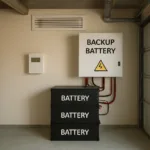


UPS: Best for Sensitive Electronics
If you rely heavily on sensitive electronics like computers, medical devices, or home office equipment, a UPS is your best option. It ensures that there’s no interruption in power supply, allowing you to save your work and shut down safely during a load shedding event.
Inverters: Ideal for Larger Loads
An inverter is suitable for homes with high electricity usage, especially if you have appliances like refrigerators, washing machines, or air conditioners that need to run during load shedding. They provide a stable power supply, but you’ll need a separate battery system to operate them.
Portable Power Stations: The Flexible Choice
For families on the go or those needing temporary power solutions for events or camping, portable power stations are great. They are easy to transport and can charge everything from phones to small appliances. However, their power output is generally less than that of a full inverter or UPS.
Delving into Features and Costs
Each system comes with its unique features and costs, which can heavily influence your decision.
UPS
When looking at a UPS, consider the following:
- Power Rating: Measured in VA (Volt-Amps), choose a UPS that can handle the total wattage of the devices you wish to power.
- Run Time: Most UPS systems are designed for short-term use, typically 15 to 30 minutes. Opt for a model that meets your needs based on the devices you intend to run.
- Features: Look for models that offer USB ports, LCD displays, and surge protection.
Inverters
When evaluating inverters, focus on:
- Inverter Type: Pure sine wave inverters are more expensive but are suitable for sensitive electronics.
- Battery Compatibility: Ensure your inverter can work with the type of battery you plan to use, including lead-acid or lithium options.
- Efficiency Rating: Higher ratings lead to less energy waste.
Portable Power Stations
Key features to look for in portable power stations include:
- Capacity: Measured in watt-hours (Wh), this indicates how long it can power devices.
- Port Options: Ensure it has sufficient output options for all your charging needs.
- Charging Methods: Many portable power stations can be charged either from a wall socket or solar panels.
Setup and Maintenance
Installation processes for these systems differ based on their complexity.
UPS Installation
UPS units are generally plug-and-play. Simply connect the UPS to your wall socket and plug your devices into it. Ensure you conduct regular battery testing to maintain efficiency.
Inverter Setup
Inverters typically require a more complex installation, often necessitating a qualified electrician, especially if they are part of a home solar system. It’s vital to ensure safe connections to avoid damage or hazards.
Portable Power Station Use
Setting up a portable power station is straightforward; just charge it, and you’re ready to go. Make sure to monitor your usage to avoid draining the battery too quickly.
Limitations and Common Mistakes
While each system has its benefits, there are limitations you should keep in mind.
UPS Limitations
A UPS may not provide enough run time for larger appliances and is designed primarily for short-term outages.
Inverter Limitations
Inverters require a reliable battery supply. Choosing the wrong type of battery can result in inefficiencies or damage.
Portable Power Station Limitations
These units have limited capacity and may not power larger appliances effectively. Always check the wattage needs of your devices before attempting to use a portable power station.
Common mistakes include failing to calculate the total power requirements before purchasing or assuming one solution will meet all needs. It’s crucial to assess your household’s specific demands before making a decision.
Frequently Asked Questions
What is the best option for a small household?
The best option for a small household often depends on the number of devices needed. A UPS is excellent for a few sensitive electronics, while an inverter may serve well for larger appliances.
How long can a portable power station last during an outage?
The run time will vary based on the capacity and what devices are being used. Generally, for small devices, a portable station can last several hours.
Can I connect an inverter directly to my mains supply?
No, inverters should only be connected to batteries safely and as per the manufacturer’s guidelines. Mains connection should be handled by a qualified professional.
Are UPS systems expensive to maintain?
UPS systems require minimal maintenance, primarily focusing on battery checking and replacement. Long-term costs depend on usage and replacement frequency.
Can I use solar panels with my inverter?
Yes, many inverters are designed to work with solar battery systems, allowing for renewable energy usage.

Kagiso Maseko is an author at Maventaro who writes about practical and affordable solutions for South African homes. His articles help readers make informed decisions about backup power, water storage, internet connectivity, home maintenance and everyday savings.