
With an increase in load shedding and inconsistent power supply, many South Africans are looking for effective home backup power solutions. Navigating this landscape can be daunting for beginners, but understanding the options available, their uses, and their limitations is crucial to making informed decisions. This guide aims to provide detailed insights into home backup power solutions in South Africa.
Understanding Home Backup Power
Home backup power systems are designed to provide electricity when the main power supply is disrupted. This can be particularly important for households relying on numerous electronic devices, medical equipment, or even just keeping the lights on during extended blackouts.
Types of Home Backup Power Solutions
There are several options available, each catering to different needs and budgets:
1. Generators
Generators are one of the most popular choices for home backup power. They can be powered by petrol, diesel, or gas and can supply enough energy to run essential appliances during an outage. However, they do require fuel and regular maintenance.
- Portable Generators: These are smaller and easier to store. They can power a few appliances but can be less reliable for whole-house power.
- Standby Generators: Installed outside the home, these systems automatically switch on when power fails, providing a seamless transition. They are generally more expensive but offer greater reliability.
2. Inverters
Inverters convert DC electricity to AC electricity, allowing you to use stored power from batteries. They are often paired with solar panel systems. Inverters can provide clean energy without the noise of a generator.
- Modified Sine Wave Inverters: These are less expensive but may not be suitable for all devices, especially sensitive electronics.
- Sine Wave Inverters: These are more expensive but ensure compatibility with almost all home appliances.
3. Battery Storage Systems
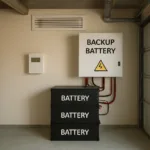
Battery storage systems store excess energy from solar panels or the grid, allowing the household to draw on this stored power during outages. Lithium-ion batteries are popular due to their efficiency and long lifespan.


Factors to Consider When Choosing a Backup Power Solution
Before selecting a system, it is essential to assess the household’s energy needs, budget, and space availability:
- Energy Needs: Determine the appliances that need to be powered during outages. Calculate their total wattage to ensure the chosen system can handle the load.
- Budget: Backup power systems can range significantly in price. Understand the initial investment and ongoing maintenance costs to make an informed decision.
- Space: Depending on the system, space requirements may vary. Generators need adequate ventilation, while battery storage should be kept in a suitable environment.
Setting Up Your Home Backup Power System
Once you have selected your system, proper setup is vital to ensure safety and efficiency:
- Hire a Professional: For systems requiring installation—especially generators and mains connections—always consult a licensed electrician. Safety is paramount.
- Understand Local Regulations: Be aware of municipal regulations concerning backup power systems, as they may have specific requirements or restrictions.
- Regular Maintenance: Schedule regular checks for your system to ensure it remains functional. This includes changing oil in generators and testing batteries.
Common Mistakes to Avoid
Even with thorough research, beginners can still fall into common pitfalls:
- Underestimating Power Needs: Ensure you accurately assess how much power you will need during an outage.
- Neglecting Safety: Always ensure safety protocols are in place, including proper ventilation for generators and secure installation for all systems.
- Ignoring Maintenance: Failing to regularly maintain your backup power system can lead to costly repairs or failure during emergencies.
Alternative Solutions
While generators, inverters, and battery systems are common, consider these alternatives based on specific needs:
- Solar Power Systems: Investing in solar panels can significantly reduce dependence on the grid and provide a renewable energy source. Combining solar with battery storage offers an effective way to ensure power during outages.
- Wind Energy: In certain areas, small wind turbines can supplement home energy needs, especially when paired with other systems.
Frequently Asked Questions
1. How long can a backup generator run continuously? Most portable generators can run for around 8 to 12 hours on a full tank of fuel. Standby generators can run longer, depending on the fuel supply.
2. Are solar and battery systems worth the investment? While initial costs can be high, they can lead to savings in the long run through reduced electricity bills and energy independence.
3. Can I connect a generator directly to my home wiring? Connecting a generator to the home wiring should always be done using a transfer switch, installed by a qualified electrician.
4. What maintenance do backup power systems require? Maintenance needs vary but generally include regular testing, oil changes (for generators), and ensuring connections are secure and clean.

Kagiso Maseko is an author at Maventaro who writes about practical and affordable solutions for South African homes. His articles help readers make informed decisions about backup power, water storage, internet connectivity, home maintenance and everyday savings.