
Maintaining a home in South Africa requires attention to various factors, from the changing seasons to local conditions. Preventive home maintenance is essential for ensuring the longevity of your home while reducing repair costs and enhancing comfort. This guide covers key responsibilities and practical steps homeowners can take to keep their residences in top shape.
Understanding the Importance of Home Maintenance
Preventive home maintenance involves regular checks and minor repairs that can prevent bigger issues down the line. This includes tasks that ensure the functionality and safety of essential systems like plumbing, electrical, and roofing. In South Africa, where external factors like weather and local pests can pose significant threats, procrastination can lead to serious consequences.
Key Areas to Inspect Regularly
To protect your investment and ensure your home remains a safe haven, focus on the following areas:
1. Roofing
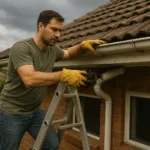
Your roof shields your home from the elements. Inspect it regularly for loose tiles or rust, especially after heavy rains or storms. Look for water stains on ceilings or walls inside your home, which may indicate leaks. Cleaning gutters and downpipes of debris can also prevent water damage.
2. Plumbing Systems
Regular checks of your plumbing can save you money and frustration. Look for leaks under sinks and around toilets. Over time, small leaks can lead to larger issues like mould or structural damage. Make sure drains are clear and functioning well. In areas prone to pipe freezing, such as during the rare Cape Town winter, proper insulation is essential.
3. Electrical Systems
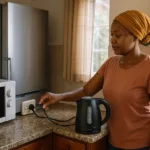
Electrical issues pose safety risks. Inspect outlets and cords regularly for signs of wear. If a circuit trips frequently or if you notice flickering lights, it’s best to consult a qualified electrician. Remember never to overload circuits and to replace any blown fuses promptly.

4. Exterior Walls and Paint
Regular maintenance of exterior walls can prevent water damage and pest infestation. Look for cracks or gaps in walls that could allow water to seep in or insects to enter. Applying fresh paint every few years not only refreshes the look of your home but also protects the material from the elements.
5. Windows and Doors
Drafty windows and doors can lead to significant energy loss. Inspect seals and frames for wear. Regularly lubricate hinges and locks to ensure smooth operation. If window panes are cracked or broken, have them replaced to maintain security and insulation.
Seasonal Maintenance Checklist
Divide your maintenance tasks into seasonal priorities to make the workload more manageable.
Summer
- Check and clean air conditioning units to ensure efficiency.
- Inspect outdoor areas like patios and decks for signs of wear.
- Check for any pest infestations and treat as necessary.
Autumn
- Clean gutters and inspect roofs before heavy rains set in.
- Check insulation around windows and doors, and apply weather stripping where needed.
- Prepare your garden for winter by trimming back plants and securing loose garden furniture.
Winter
- Inspect heating systems, changing filters and ensuring they are operational.
- Review property for any signs of water damage or leaks caused by winter storms.
- Ensure that outdoor water connections and hoses are drained to prevent freezing.
Spring
- Inspect roofs for damage incurred in winter and perform necessary repairs.
- Deep clean interiors to remove dust and potential allergens.
- Test smoke detectors and replace batteries as needed.
Choosing Seasonal Professionals
Some tasks may require the expertise of professionals. In South Africa, it’s wise to hire local contractors who understand the specific challenges of your climate and environment. Research and get recommendations to find reputable plumbers, electricians, and roofers. Ensure they are appropriately licensed and insured to work in your area.
Budgeting for Home Maintenance
Creating a maintenance budget can guide your planning and decision-making. Calculate the costs of routine maintenance as well as occasional repairs. Setting aside a small percentage of your home’s value annually can cover unexpected expenses. Regular financial planning allows you to tackle issues before they escalate and become more costly.
Common Mistakes to Avoid
While establishing a maintenance routine, be aware of common pitfalls:
- Neglecting Small Repairs: Ignoring minor issues often leads to larger, more expensive problems.
- Overdoing DIY: Some tasks require professional attention. Know your limits.
- Ignoring Documentation: Keep records of repairs, inspections, and maintenance schedules. This assists when selling your property or addressing warranty claims.
Practical Next Steps
Routine preventive maintenance is not merely a chore; it’s an investment in the longevity and comfort of your home. By adopting a proactive approach, you can save time, money, and stress in the long run.
Frequently Asked Questions
1. How often should I check my roof?
It’s advisable to inspect your roof at least twice a year, or more frequently after severe weather.
2. What is the best way to prevent plumbing issues?
Regular inspections for leaks and ensuring proper drainage will significantly reduce plumbing problems.
3. How can I find a qualified contractor for repairs?
Ask for referrals from friends or family, and ensure they have the necessary qualifications and insurance.
4. What maintenance tasks can I do myself?
Homeowners can often handle routine cleaning, inspections, and minor repairs, but call a professional for major work.
5. Why is budgeting for home maintenance important?
A maintenance budget helps you prepare for inevitable repairs, reducing financial strain when issues arise.

Kagiso Maseko is an author at Maventaro who writes about practical and affordable solutions for South African homes. His articles help readers make informed decisions about backup power, water storage, internet connectivity, home maintenance and everyday savings.