
Identifying water leaks in your home early can save you significant repair costs and prevent damage. While it might seem that special tools are needed for detection, various techniques can help you check your home for water leaks using readily available household items or your senses. Here’s how you can do this.
Understanding Common Sources of Water Leaks
Water leaks can occur in various parts of your home. Common culprits include:
- Plumbing fixtures: Taps, toilets, showers, and pipes are frequent sources.
- Roofing: Damage or wear can lead to leaks.
- Windows and doors: Poor seals can allow water to enter during rains.
- Basements: Water can seep in through walls or floors.
Being aware of these areas helps you focus your attention during your inspection.
Visual Inspection Techniques
A thorough visual inspection can reveal signs of water leaks. Here are some steps to follow:
1. Check for Water Stains
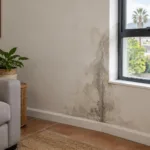
Look for dark spots or streaks on walls, ceilings, or floors, which may indicate water damage. In South Africa, common areas to inspect include:
- Underneath sinks and around toilet bases.
- Ceilings directly below bathrooms.
- Basement walls where moisture might be present.
2. Examine Water Meter
If you suspect a leak, check your water meter. Take the following steps:


- Ensure no taps are running in the house.
- Read the meter and record the number.
- Wait for a few hours (ideally overnight) without using any water.
- Check the meter again. If the reading has changed, a leak is likely present.
Using Your Senses
Sometimes, your senses can be your best tools. Here’s how to use them:
1. Listen for Dripping Sounds
Pay attention to any unusual dripping or running water sounds, especially in quiet moments. Check common sources like under sinks and behind appliances.
2. Smell for Musty Odours
An unpleasant, musty smell often indicates stagnant water or water damage. If you notice this smell, especially in enclosed areas, further investigation may be necessary.
Inspecting Specific Areas
Different areas of your house require particular attention:
1. Bathrooms
Inspect faucets, shower heads, and toilets for cracks and leaks. Check the caulking around fixtures; damaged caulking can allow water to escape.
2. Kitchen
Look under the sink for leaks and check the dishwasher connections. Make sure pipes are not corroded or loose.
3. Exterior Areas
Examine downspouts and gutters for blockages, which can lead to overflowing water. Check outside taps for any leaks.
Steps to Prevent Water Leaks
Once you’ve checked your home for leaks, it’s wise to take proactive measures to prevent future issues:
- Seal gaps: Ensure that all windows, doors, and roofs are properly sealed to prevent water intrusion.
- Regular maintenance: Schedule periodic inspections of plumbing and roofing to catch potential issues early.
- Install water sensors: Consider low-cost water sensors for critical areas, which can alert you to leaks quickly.
Even simple steps can make a significant difference in protecting your home from water damage.
Common Mistakes to Avoid
When checking your home for water leaks, be mindful of the following:
- Neglecting hidden areas: Many leaks occur in less visible locations like behind walls, so consider accessing these areas if necessary.
- Ignoring small signs: Even a small leak can lead to bigger problems over time. Don’t underestimate minor stains or sounds.
- Postponing repairs: If you notice a leak, delay in addressing it can lead to expensive repairs and damage.
Recognising and resolving water leaks early saves you time, effort, and money in the long run.
Frequently Asked Questions
How can I tell if I have a hidden leak?
Look for unexplained water stains on walls, ceilings, or floors and listen for unusual sounds of running water.
What should I do if I find a leak?
Turn off the water supply to that area if possible, and contact a qualified plumbing professional to assess the situation.
How often should I check for water leaks?
It’s advisable to check for leaks at least once a year and more frequently if you notice any unusual signs.
Are there any signs that indicate a major leak?
Sudden spikes in your water bill, damp, or musty odours can indicate a significant leak that requires immediate attention.
Can I fix minor leaks myself?
Many minor leaks can be fixed with basic tools and materials, but if you’re unsure, it’s best to consult a professional.

Kagiso Maseko is an author at Maventaro who writes about practical and affordable solutions for South African homes. His articles help readers make informed decisions about backup power, water storage, internet connectivity, home maintenance and everyday savings.