
Household savings in South Africa can be a daunting task, yet essential for financial stability. Whether you’re aiming to save for emergencies, invest in future needs, or simply reduce day-to-day expenses, smart saving strategies can help make the process manageable and effective. This guide offers practical tips tailored for South African households, focusing on ways to enhance savings while accommodating our unique challenges.
1. Assessing Your Household Budget
Understanding your spending habits is the first step to successful savings. Begin by compiling a detailed list of your monthly income and expenses. Categories like rent or mortgage, groceries, utilities, transport, and entertainment are crucial. Tools like spreadsheets or apps can simplify this process, allowing you to track your expenses visually.
After documenting your expenses, identify areas where you can cut back. This can be tricky, but it’s important to differentiate between needs and wants. Can you substitute a few meals with budget-friendly recipes, or forgo takeouts for a month? Small savings can accumulate over time.
2. Making Use of Technology
Leveraging technology can significantly aid in managing household savings. Several apps help budget effectively by tracking spending habits, setting savings goals, and even monitoring savings growth. Popular budgeting apps like MoneySmart can offer practical insights.
Additionally, consider tools that automate savings. Many banks provide options to set up automatic transfers from your checking to your savings account. This way, you save without even thinking about it.
3. Finding Discounts and Deals
Every South African knows that shopping smartly can lead to significant savings. Signing up for loyalty programs at local supermarkets or retailers is an effective way to receive discounts and exclusive deals.


Consider utilizing online platforms for price comparisons. Websites like PriceCheck allow you to compare prices across various retailers, ensuring you get the best deal. Moreover, using coupons and discount vouchers can lead to substantial savings on regular purchases.
4. Energy Efficiency at Home
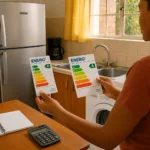
Reducing energy consumption is not just good for the planet; it’s also beneficial for your wallet. Simple changes, such as switching to energy-efficient appliances, using LED bulbs, and being mindful of electricity use, can lead to marked savings on monthly utility bills.
Further, consider scheduling your laundry and dishwashing during off-peak hours when electricity tariffs are cheaper. This small adjustment can lead to noticeable savings over time.
5. Diversifying Income Streams
While saving is crucial, increasing your income can significantly impact your savings. Explore opportunities for side hustles or freelance work tailored to your skills. For instance, tutoring, graphic design, or even selling crafts online can serve as additional income sources, facilitating increased household savings.
Moreover, consider discussing potential salary reviews with your employer or seeking opportunities for advancement in your current position. A little extra income can go a long way in bolstering your savings.
6. Building an Emergency Fund
One of the pillars of sound financial management is having an emergency fund. Aim to save at least three to six months’ worth of living expenses. While this may seem daunting, start small—set aside a portion of each paycheck until you reach this goal.
Having an emergency fund can prevent financial strain during unexpected events, such as medical emergencies or job loss, allowing you to maintain your savings plan despite setbacks.
7. Education and Financial Literacy
Investing in your financial education can pay dividends in the long run. Many resources are available, from online courses to local workshops, focusing on household savings and investing. Familiarize yourself with financial concepts like compound interest, inflation, and investment types.
Consider community resources, such as non-profit organisations that offer budgeting assistance and financial planning workshops. Enhancing your financial literacy will empower you to make informed decisions about savings and investments.
8. Avoiding Impulse Purchases
Impulse buying can derail your saving efforts. Developing strategies to combat this habit is essential. One effective method is the 30-day rule: if you’re considering a non-essential purchase, wait 30 days before finalising the decision. This can help you determine if it’s truly necessary.
Additionally, making lists before shopping and sticking to them can help curb unplanned spending. Avoid shopping when hungry or emotional, as these states often lead to unnecessary buying.
Frequently Asked Questions
What is the best approach to start saving money?
Begin by assessing your current budget, identifying areas for potential savings, and setting clear short-term and long-term savings goals.
How much should I save each month?
A common guideline is to save at least 20% of your income; however, any amount is beneficial. Start with what you can realistically afford and gradually increase as possible.
Are there tools to help manage household savings?
Yes, budgeting apps and automated savings tools can help track expenses and facilitate regular saving without extra effort.
What emergency fund amount should I aim for?
Aim for 3 to 6 months’ worth of living expenses to ensure sufficient coverage during unexpected financial situations.
How can I avoid impulse purchases?
Consider adopting the 30-day rule before making significant purchases, and create and stick to shopping lists to limit unplanned expenses.

Kagiso Maseko is an author at Maventaro who writes about practical and affordable solutions for South African homes. His articles help readers make informed decisions about backup power, water storage, internet connectivity, home maintenance and everyday savings.