
Living in South Africa comes with its own unique challenges, particularly when it comes to managing electricity usage. With ongoing power disruptions and rising costs, households are looking for ways to use less electricity at home while maintaining comfort. Fortunately, there are several simple yet effective strategies to reduce your electricity consumption without compromising on your quality of life.
1. Invest in Energy-Efficient Appliances
Swapping out old appliances can significantly decrease your electricity consumption. Look for energy-efficient models that carry an Energy Rating Label. These appliances use less power to perform the same tasks as their older counterparts. For example, an energy-efficient fridge or washing machine can save you money in the long run.
2. Be Smart About Heating and Cooling
Heating and cooling are major contributors to household energy consumption. To efficiently manage these needs:
- Use a programmable thermostat: Set it to lower temperatures when you’re not home and to warm up before you return.
- Insulation: Ensure your home is well-insulated, as this keeps temperatures stable and means your heating or cooling systems won’t have to work as hard.
- Ceiling fans: Use fans to circulate air instead of relying solely on air conditioning. In summer, set them to spin counterclockwise for a cooling effect.
3. Embrace Natural Light
Take advantage of the abundant sunlight in South Africa. During the day, open curtains and blinds to let natural light flood your home. This approach can reduce your reliance on electric lighting. For areas that lack sufficient sunlight, consider switching to LED bulbs, which consume less energy and have a longer lifespan than traditional bulbs.
4. Opt for Smart Power Strips
Many devices consume energy even when turned off—this is often referred to as “phantom load.” Using smart power strips helps eliminate this waste by cutting power to devices when they are not in use. By investing in these strips, you can easily manage multiple devices and reduce your overall consumption.
5. Limit Standby Power Usage
In addition to smart power strips, be mindful of devices that remain plugged in, like chargers and entertainment systems. Unplugging these devices or using timer switches can save electricity without any noticeable inconvenience.


6. Keep Your Home Clean
A clean home can also lead to lower energy costs. Ensure that filters in heating and cooling systems are replaced regularly to maintain their efficiency. Clean coils on your fridge help it run effectively, which uses less energy.
7. Wash Clothes Wisely
Washing clothes in cold water instead of hot can save a significant amount of electricity. When possible, run your washing machine on a full load, as this maximizes water and energy efficiency. Additionally, air-drying clothes instead of using an electric dryer can also help reduce your energy usage.
8. Evaluate Your Water Heater Use
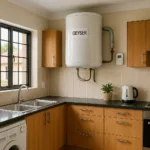
Water heating is another significant source of electricity consumption. Lowering the thermostat on your electric water heater to 60°C (140°F) can save energy without sacrificing comfort. Also, consider insulating your water heater and pipes to minimize heat loss.
9. Smart Landscaping
Strategic landscaping can also help with energy consumption. Planting trees and shrubs to provide natural shade can reduce cooling costs in summer. Moreover, landscaping can improve insulation and protect your home from harsh weather, leading to less reliance on heating systems.
10. Educate Your Household
Make energy-saving a household priority. Inform everyone about the importance of conserving energy and encourage small changes in habits, such as turning off lights in unoccupied rooms and limiting shower time. This collective awareness can lead to significant energy savings.
Frequently Asked Questions
How can I assess my energy consumption?
Review your electricity bill to see your usage patterns. You can also consider using a home energy monitor to get real-time readings.
Are there grants or incentives for energy-efficient upgrades in South Africa?
Yes, various programmes and municipal initiatives may provide funding or rebates for energy-efficient home upgrades. It’s worth checking with your local municipality.
Can I install energy-efficient appliances myself?
While many appliances can be plugged in easily, ensure that any electrical work complies with local regulations, and consult a qualified electrician if unsure.
Why is it important to reduce electricity usage?
Reducing electricity not only lowers your bills but also reduces the strain on the national grid and helps in conserving the environment.

Kagiso Maseko is an author at Maventaro who writes about practical and affordable solutions for South African homes. His articles help readers make informed decisions about backup power, water storage, internet connectivity, home maintenance and everyday savings.