
In South Africa, water supply disruptions can impact daily life significantly, whether due to drought, infrastructure issues, or municipal cuts. Having a dependable home water backup system is crucial for ensuring your household can function smoothly during these disruptions. This article outlines essential aspects of planning and implementing a reliable backup system tailored to South African conditions.
Understanding the Need for Water Backup
Households across South Africa can face varying degrees of water supply issues, influenced by municipal efficiency, geographical area, and seasonal changes. Understanding the unique challenges of your locality is the first step in creating a tailored solution. For example, urban areas often experience water rationing during peak usage months, while rural areas may struggle with inconsistent supply.
Types of Water Backup Systems
When planning your home water backup system, consider the following options:
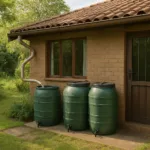
- Rainwater Harvesting: This method involves collecting rainwater from roofs and directing it to storage tanks. It can serve various purposes such as irrigation and toilet flushing, and with appropriate filtration, can be made suitable for drinking.
- Boreholes: Drilling a borehole can provide a reliable water supply, but it comes with considerations like initial installation costs and ongoing maintenance. Local legislation may also dictate usage restrictions, so it’s worth checking with your municipality.
- Water Storage Tanks: Investing in high-quality water tanks can enable you to store municipal water during good supply periods for usage during shortages. Choosing the right size tank depends on your household needs.
- Water Purification Systems: To ensure drinking water safety, a purification system can be essential. This could involve UV filters, reverse osmosis, or activated carbon filters, depending on your water source.
Key Considerations for Your System
Several factors should be taken into account when planning your home water backup system:
- Household Size and Needs: Determine how much water your household consumes daily. Understanding your needs can help in sizing your storage tanks and backup systems appropriately.
- Local Climate: The amount of rainfall in your region can significantly impact rainwater harvesting viability. Check average rainfall data for your area to make informed decisions.
- Maintenance: Factor in how much time and effort you can invest in maintaining your water system. Some systems require regular checks and cleaning to function effectively.
- Legal Regulations: Be informed about local laws regarding water usage, especially if you plan to drill a borehole or collect rainwater for potable uses.
Setting Up Your Water Backup System
Creating a home water backup system involves a few straightforward steps:
- Assess Your Water Needs: Calculate your household’s daily water consumption, considering all uses, from cooking and cleaning to gardening.
- Create a Budget: Determine the costs involved in setting up your preferred backup system, including installation and potential ongoing maintenance.
- Select Equipment: Choose the right tanks, pumps, and filtration systems based on your needs and local conditions. Quality should not be compromised for cost.
- Installation: While some components can be DIY, hiring a qualified professional for tasks such as borehole drilling or plumbing adjustments is often advisable.
- Test and Maintain: Regularly check your system to ensure efficiency. Schedule periodic tests for water quality, especially for sources like boreholes.
Common Mistakes to Avoid
While setting up a water backup system, be mindful of these common pitfalls:


- Underestimating Water Needs: Failing to accurately assess your water usage can lead to inadequate storage and backups.
- Poor filtration choices: Opting for low-quality filters can compromise water safety. Invest in trusted brands with positive reviews.
- Neglecting Maintenance: Ignoring maintenance can lead to system failures. Schedule regular checks to address any issues.
- Disregarding Local Regulations: Always consult local regulations regarding water systems to avoid fines or issues with local authorities.
Realistic Alternatives to Consider
If the initial investment for a personal water backup system is not feasible, consider these alternatives:
- Community Water Projects: Look for initiatives that promote shared water supply systems within your community.
- Bulk Water Purchases: Some municipalities offer bulk water sales during shortages at reduced rates.
- Water Delivery Services: Investigate local services that provide reliable water delivery to homes, particularly during droughts.
Frequently Asked Questions
What size water tank do I need for my family?
Size depends on your household water needs. A typical family may require between 5,000 to 10,000 litres for basic needs.
Is rainwater harvesting legal in South Africa?
Yes, but regulations may vary by municipality; check local laws to ensure compliance.
How often should a water storage tank be cleaned?
It’s advisable to clean your tank every six months to a year to ensure water quality.
Can I use borehole water for drinking?
Yes, but it must be tested and treated, as borehole water can carry contaminants.
What are the main costs involved in setting up a water backup system?
Costs vary widely based on system type, size, and installation requirements; budgeting for ongoing maintenance is also crucial.

Kagiso Maseko is an author at Maventaro who writes about practical and affordable solutions for South African homes. His articles help readers make informed decisions about backup power, water storage, internet connectivity, home maintenance and everyday savings.