
Selecting the proper water tank size for your home is crucial for ensuring a reliable backup water supply, especially during shortages or emergencies. In South Africa, where water shortages can occur and the reliability of municipal supply can vary, properly sizing your tank can make a significant difference in your household’s resilience.
Understanding Your Water Usage
The first step in choosing the right water tank size is to evaluate your household’s water consumption. Typical South African households use approximately 200 to 300 litres of water per person per day, depending on lifestyle and household size. To get a clearer picture, consider the following:
- Household Size: Calculate the total daily water usage based on the number of household members.
- Daily Activities: Factor in water used for cooking, cleaning, gardening, and other activities.
- Seasonal Variations: Take note of water usage during different seasons, especially if you water gardens extensively during summer.
Determining Tank Volume
Once you understand your water consumption, you can determine the necessary tank volume. A good starting point is to have enough water storage to cover at least two to three days of use. For example, a family of four consuming 250 litres per person per day would need a minimum of:
Daily Usage Calculation:
4 persons x 250 litres/person = 1000 litres per day.
Water for 3 days = 1000 litres x 3 days = 3000 litres.
Considering this example, a 3000-litre water tank would be a suitable choice for this household.
Types of Water Tanks
There are various types of water tanks available, and the choice can impact both your water supply and budget:
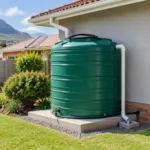


- Plastic Tanks: Lightweight and resistant to corrosion but can be less durable in harsh conditions.
- Steel Tanks: More robust and long-lasting but may rust or corrode if not properly maintained.
- Concrete Tanks: Suitable for large volumes, but installation can be more complex and costly.
Considerations for Installation
When planning your water tank installation, consider:
- Location: Ensure the tank is positioned where it can collect rainwater, if applicable, and remains accessible for maintenance.
- Foundation: A stable, level surface is necessary to support the weight of a full tank.
- Piping and Connections: Ensure you have the right connections for your water supply system, whether it be for municipal supply or rainwater harvesting.
Maintenance and Longevity
Maintaining your water tank is key to ensuring its longevity and the quality of the stored water. Regular cleaning and inspecting for leaks or cracks can prevent contamination and the need for costly repairs. Consider:
- Cleaning Schedule: Clean the tank at least once a year.
- Water Quality Monitoring: Test for contaminants, especially if using rainwater.
- Insulation: If storing water in hot conditions, consider insulating your tank to prevent algae growth.
Realistic Alternatives and Common Mistakes
It’s beneficial to have backup and alternative strategies in mind:
- Smaller Tanks: In contexts where space or budget is limited, consider installing multiple smaller tanks rather than one large tank, making refilling and managing easier.
- Community Solutions: Engage with neighbours to establish communal water storage or rainwater harvesting systems for more significant collective benefit.
Common mistakes to avoid include:
- Undersizing the tank based on immediate needs rather than anticipated future growth or usage.
- Neglecting local regulations regarding water storage.
- Ignoring the potential for fluctuations in municipal water supply.
Frequently Asked Questions
What size water tank do I need for a family of four?
A family of four may need a water tank of at least 3000 litres to ensure a three-day backup for daily usage.
How do I maintain my water tank?
Regular cleaning, checking for leaks, and monitoring water quality are essential aspects of maintenance.
Can I use a water tank for irrigation?
Yes, water tanks can be used for irrigation purposes, making them a good investment for garden maintenance.
Are plastic water tanks durable?
Plastic tanks are durable but may be less suitable for extreme weather conditions compared to metal or concrete tanks.
How can I install a water tank?
Installation should typically be done by a qualified professional to ensure a safe and reliable setup.

Kagiso Maseko is an author at Maventaro who writes about practical and affordable solutions for South African homes. His articles help readers make informed decisions about backup power, water storage, internet connectivity, home maintenance and everyday savings.