
In recent years, many South African households have turned to backup power solutions to counteract load shedding and increasing electrical demands. While these systems can be immensely beneficial, there are common backup power mistakes that can undermine their effectiveness or even pose safety risks. Understanding these pitfalls can help households ensure they get the most out of their backup power systems.
Underestimating Power Needs
A frequent mistake is underestimating the amount of energy required during a power outage. Before investing in any backup solution, it’s crucial to accurately assess the energy consumption of your household. This includes understanding the wattage of essential appliances such as refrigerators, lights, and electronic devices.
Homeowners should create a comprehensive list of appliances they intend to run during an outage, along with their respective power ratings. Tools such as power meters can assist in measuring actual usage. This knowledge will ensure the selected backup system adequately meets the household’s needs without causing overloading or insufficient power supply.
Choosing the Wrong Equipment
From generators to solar systems, there’s a wide range of backup power equipment available. However, selecting the wrong type can lead to inefficiencies and increased costs. For instance, portable generators may seem appealing due to their lower price, but they’re often limited in power output and require regular refuelling.
Conversely, solar power systems can provide a sustainable solution if designed appropriately. However, they come with initial setup costs and space considerations. When choosing, consider what best fits your situation, including your power needs, available space, and budget.
Neglecting Maintenance
Once a backup power system is in place, it requires regular maintenance to function optimally. Many homeowners forget or put off this essential task. For instance, generators need their oil, filters, and spark plugs checked regularly, while batteries in solar systems require monitoring to prevent degradation.
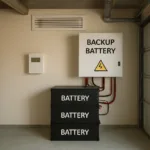


Establishing a maintenance schedule can help with timely checks and replacements, which can prolong the system’s lifespan and reliability. This vigilance can be the difference between a fully functional system and a failed one during an actual power outage.
Ignoring Safety Precautions
Safety should always be a priority, but in home settings, it can sometimes take a back seat. Common mistakes include running generators indoors, which can lead to dangerous carbon monoxide (CO) poisoning, or improperly connecting backup systems to a household’s electrical system without the help of a professional.
It’s vital to follow the manufacturer’s safety guidelines and consult with certified electricians when installing or configuring backup systems. This will not only ensure the system functions correctly but also protect the safety of all household members.
Not Planning for Fuel Source
For households using fuel-based generators, planning for fuel supply is often overlooked. In the heat of a power outage, scrambling to find a fuel source can lead to panic and stress. Households should maintain a stockpile of fuel that is safe for storage and ensure that it is easily accessible.
Additionally, understanding how long your backup equipment can run on a full tank and incorporating this into your planning can help manage expectations during an outage. Having a designated storage area for fuel, away from any ignition sources, ensures safe practices.
Overloading Circuits
Another common mistake is overloading circuits during an outage. Running too many high-demand appliances simultaneously can damage not just the backup power system, but also the appliances themselves. This is particularly relevant in households where multiple devices are used heavily.
To mitigate this risk, homeowners should stagger the use of appliances based on their power ratings and the generator or battery inverter’s limits. An understanding of each appliance’s wattage will help in making informed decisions about which devices to use and when.
Failing to Educate Household Members
Finally, one often-neglected aspect is educating all household members on how to operate the backup power system efficiently. This includes not just how to initiate the system, but also understanding its limitations and safety features.
Regular drills can assist in ensuring everyone is familiar with the process, which can be crucial during real-life emergencies. This education empowers family members to handle situations calmly and effectively, reducing panic and confusion during power outages.
Frequently Asked Questions
What is the best type of backup power for my home?
The best type of backup power depends on your specific needs, including budget, available space, and energy consumption. Solar setups may be suitable for environmentally conscious homes, while generators can provide immediate power during outages.
How often should I maintain my backup power system?
Maintenance should be carried out regularly, at least every six months. This can vary based on usage and the specific equipment employed. Check the manufacturer’s recommendations for best practices.
Can I connect my backup generator directly to my home’s electrical system?
It’s essential not to connect generators directly to your home’s electrical system without proper equipment and professional assistance, as this can lead to safety hazards.
How can I calculate my household’s energy needs?
Start by listing all essential devices and noting their wattages. Consider using a watt meter to measure actual energy consumption for more accuracy.

Kagiso Maseko is an author at Maventaro who writes about practical and affordable solutions for South African homes. His articles help readers make informed decisions about backup power, water storage, internet connectivity, home maintenance and everyday savings.