Residents of flats and rental homes often face unique challenges regarding water supply disruptions. In urban areas of South Africa, where infrastructure can be unpredictable, having a reliable water backup solution is crucial. This guide explores practical options for water backup for flats, helping tenants ensure they have access to water even during outages.
Understanding the Need for Water Backup
Flats and rental homes are usually provided with centralised municipal water supply. However, power outages, pipe bursts, or maintenance work can lead to periods without water. Such disruptions can be inconvenient, particularly in urban settings.
Water Backup Options
1. Water Storage Tanks
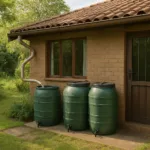
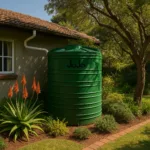
Investing in a water storage tank can provide a substantial backup supply. These tanks can be installed on the premises for easy access and can hold anywhere from a few hundred to several thousand litres of water.
- Considerations: Ensure that space permits installation, particularly in apartments where space may be limited.
- Type: Choose food-grade plastic or stainless steel tanks for safety.
- Maintenance: Regularly clean and monitor the tanks for any leaks or contamination.
2. Rainwater Harvesting
This environmentally friendly option involves collecting rainwater from rooftops and directing it into storage tanks. Rainwater can be used for various non-potable uses, like flushing toilets or watering gardens.
- Considerations: Check building regulations regarding rainwater harvesting systems, as some complexes may have strict rules.
- Setup: Installing gutters and downpipes to direct rainwater into your tanks involves minimal modifications.
3. Portable Water Containers
Having portable water containers on hand is an easy backup strategy. These containers can be filled at municipal taps or during times of water availability.
- Capacity: Select bags or jerry cans that suit your storage needs but remain light enough for easy transport.
- Usage: They are versatile for both drinking and non-drinking purposes.
4. Water Bottles and Home Filtration Systems
For those needing clean drinking water, keeping a stock of bottled water is a straightforward method. Home filtration systems can also be helpful to ensure tap water remains consumable.

- Brands: Look for trusted local brands that comply with health standards.
- Filtration: Filters should be replaced regularly to maintain water quality.
5. Local Bulk Water Supply
In cases of significant municipal failures, some areas may have local suppliers offering bulk potable water for sale. Building relationships with these suppliers can provide a more reliable source in emergencies.
- Research: Investigate such suppliers in your area and keep their contact details handy.
- Cost: Prices can vary greatly, so it helps to compare options.
Setting Up Your Water Backup Solutions
When determining the best water backup for flats, consider factors such as available space, cost, maintenance, and the intended use of the water. Here are some tips to get started:
- Assess Needs: Determine how much water your household typically uses.
- Check Local Regulations: Ensure any installations adhere to municipal laws or complex rules.
- Consult Professionals: If in doubt, engage a qualified plumber or water management specialist.
Maintenance and Usage Tips
Regular maintenance of water backup systems is vital for ensuring a reliable supply. Here are some best practices:
- Inspection: Periodically check your storage solutions for cleanliness and leaks.
- Rotation: If using stored water, employ a First In, First Out approach to ensure freshness.
- Awareness: Stay informed about municipal supply schedules and potential disruptions.
Common Mistakes to Avoid
It’s easy to overlook certain details while setting up water backup systems. Here are common pitfalls:
- Neglecting Regulations: Always review and adhere to local building codes regarding any installations.
- Overlooking Maintenance: Regularly clean tanks and containers to prevent contamination.
- Ignoring Space Limitations: Make sure the chosen solution fits your flat’s available space without compromising movement or access.
Frequently Asked Questions
What is the best type of water tank for a flat?
Food-grade plastic tanks are often the best choice, as they are lightweight and easy to maintain.
Can I use rainwater for drinking?
While rainwater can be filtered for drinking, it is best suited for non-potable uses unless treated properly.
How can I ensure my backup water remains clean?
Regularly clean storage containers and use safe sealing methods to keep out contaminants.
What should I do if I have a persistent water outage?
Reach out to your local municipality for updates and consider contacting bulk water suppliers for immediate needs.
Are there any water backup systems I should avoid?
Avoid systems that compromise space or efficiency, such as oversized tanks in cramped areas.

Kagiso Maseko is an author at Maventaro who writes about practical and affordable solutions for South African homes. His articles help readers make informed decisions about backup power, water storage, internet connectivity, home maintenance and everyday savings.