
Installing a water tank can be a smart move, especially on small properties where space is limited. With water supply disruptions occurring more frequently in South Africa, having a backup water reservoir not only ensures you can manage everyday needs but can also enhance your property’s value. The key lies in understanding where to place a water tank most effectively.
Understanding Your Property’s Layout
Before choosing a location, take a good look at your property. Assess the space available while considering accessibility for maintenance and filling. On small properties, the goal is to make the best use of every square meter without disrupting flow or aesthetics.
Look for areas with good sunlight exposure if you are considering a tank with solar-powered features or heating elements. Locations closer to your home can also facilitate easier plumbing connections.
Common Areas to Place a Water Tank
Here are some practical locations for setting up your water tank on a small property:
1. Against a Wall
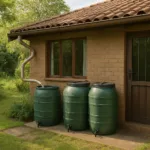
Placing the tank against an exterior wall can save space and provide a more stable structure. Consider walls that are less visible from the street or neighbours’ houses to maintain your property’s appearance. Ensure the wall can support the tank’s weight when filled.
2. Under the Eaves
If your home has eaves, this spot can be advantageous. Positioning a tank under the eaves keeps it concealed and makes it less susceptible to direct sunlight, which can be beneficial for some tank materials. The space also allows for easy rainwater collection.


3. In the Garden
An unobtrusive spot in your garden is another option. Placing the tank among existing plants can help blend it into the landscape. Aim for a location near your garden hose or irrigation system for easy water access.
4. On a Stand
For properties where horizontal space is restricted, consider a raised tank on a stand. This placement allows for gravity-fed use, reducing pressure on your connected systems. Make sure the stand complies with local safety guidelines and can support the weight of a filled tank.
Consideration of Local Regulations
Before installation, be aware of any local by-laws related to water tanks. Certain municipalities in South Africa may have specific rules regarding placement, aesthetics, and maintenance. Always check with your local authorities to avoid potential complications.
Access and Maintenance
Accessibility is vital. Ensure your water tank placement allows for easy access for maintenance and repairs. Leaves, debris, and insects can obstruct the tank; regularly checking and cleaning is essential for optimal performance.
Install the tank in a way that allows for a clear path for plumbing and any electrical connections if required. Avoid cluttered or overly busy areas to simplify maintenance tasks.
Safety Considerations
Safety should be a priority when deciding where to place a water tank. Ensure that it is installed on stable ground and that the surrounding area is free from hazards. It’s advisable to elevate the tank to avoid contamination from potential floodwaters or dirt.
Environmental Factors to Think About
Keep in mind the environmental aspects affecting your tank’s performance. For instance, sunlight can affect heat levels inside the tank, and wind can blow debris into an open tank. Consider using a tank cover to protect it from elements like leaves and dust while still allowing for aeration.
Integration with Existing Systems
If you have existing water systems for irrigation or household use, integrating the tank into these systems can maximise efficiency. Ensure the chosen location offers a convenient way to connect both systems. Consider gravity-fed systems as a backup water supply for your garden or any other outdoor use.
Common Mistakes to Avoid
Several pitfalls can occur during installation:
- Choosing a location without considering sunlight exposure, which may lead to overheating and algae growth.
- Failing to comply with local regulations, which can lead to fines or forced removal.
- Neglecting maintenance access, making it difficult to clean and repair the tank.
Overall, the best water tank placement hinges on careful planning and consideration of various factors unique to your property.
Frequently Asked Questions
How can I determine the right size water tank for my property?
Consider your daily water usage and the available space. Smaller properties may benefit from tanks ranging from 500 to 2,500 litres, depending on your needs.
Are there water tank options that do not require a lot of space?
Yes, slimline tanks are designed for small spaces and can fit between walls or alongside pathways.
Can I connect my water tank to my household plumbing?
Yes, a water tank can be connected to household systems, but it is advisable to consult a professional for installation to ensure safety and efficiency.
What maintenance does a water tank require?
Regular inspections, cleaning of inlets and outlets, and checking for leaks are essential tasks to ensure your water tank remains functional.
Is it safe to drink water from my tank?
If maintained correctly and installed with appropriate filtration systems, water from your tank can be safe for drinking, but it is crucial to check local regulations regarding potable water guidelines.

Kagiso Maseko is an author at Maventaro who writes about practical and affordable solutions for South African homes. His articles help readers make informed decisions about backup power, water storage, internet connectivity, home maintenance and everyday savings.