
Keeping your household water tank and pump in good condition is essential for ensuring a consistent water supply, especially during South Africa’s varied seasonal conditions. Regular maintenance can prevent issues, prolong the life of your system, and ensure that you have clean, accessible water whenever you need it.
Understanding Your Water Tank System
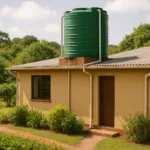
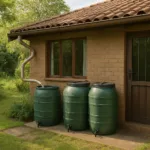
A household water tank typically stores rainwater or municipal water, while the pump is responsible for moving this water to taps and appliances. Understanding how these components work together is the first step in effective maintenance. Water tanks come in various materials like plastic, concrete, and steel, while pumps can be submersible or surface-mounted, each having distinct care needs.
Routine Maintenance Tasks
Establishing a routine maintenance schedule can simplify keeping your water tank and pump in good condition. Here are key tasks to consider:
Inspecting the Water Tank
Check the tank regularly for signs of damage or leaks. Cracks, rust, and corrosion can lead to contamination or loss of water.
Flushing the Tank
Periodically flushing your tank helps prevent the buildup of sediment and contaminants. Aim to do this at least twice a year:
- Turn off the pump and plumbing connections.
- Drain the tank completely using a hose and drain valve.
- Fill the tank with fresh water and then drain it again to remove remaining residues.
Cleaning and Disinfecting
Cleaning is crucial. Use a vinegar solution or a mix of water and chlorine bleach (1 part bleach to 10 parts water) to disinfect:

- Swirl the solution around the tank for 30 minutes.
- Rinse thoroughly with clean water.
- Check for algae or mould growth, especially in warmer months.
Pump Maintenance
Keeping the pump in good working condition will ensure a steady water flow. Regularly check the pump for blockages, leaks, and unusual noises:
- Inspect the intake screen for debris and clean it weekly.
- Check the seals and gaskets for wear and replace as necessary.
- Ensure that the electrical connections are secure.
Seasonal Considerations
South Africa experiences diverse weather patterns. Adjust your maintenance approach based on the season:
Summer Months
During hot weather, water evaporation can lead to lower levels in your tank. Check your tank weekly to monitor water levels and make necessary adjustments:
- Consider installing a float valve to automatically refill your tank.
- Inspect for signs of algae growth more frequently.
Rainy Season
With increased rainfall, ensure your tank can handle the influx:
- Check gutters and downspouts for blockages to optimize rainwater collection.
- Inspect the tank for inflow and outflow blockages to prevent overflow.
Winter Prep
Prepare your system for colder weather to avoid freezing:
- Insulate pipes leading to and from the tank.
- Consider draining the tank if temperatures drop below freezing for extended periods.
Common Mistakes to Avoid
While maintaining your water tank and pump, be mindful of the following common pitfalls:
- Skipping Regular Maintenance: Neglecting routine checks can lead to larger problems down the line.
- Using Harsh Chemicals: Avoid caustic cleaners that can corrode tank materials.
- Ignoring Signs of Damage: Address leaks and structural issues immediately to prevent further complications.
When to Call a Professional
While many maintenance tasks can be done independently, certain issues require a professional’s expertise. If you experience persistent plumbing problems or notice irregularities in your water supply, consider consulting a qualified plumber. They can undertake in-depth inspections and repairs that may be outside your skill set.
Frequently Asked Questions
How often should I clean my water tank?
It is recommended to clean your water tank at least twice a year or more frequently if you notice debris or sediment buildup.
What should I do if my pump isn’t working properly?
Check for blockages, ensure all electrical connections are secure, and inspect seals for wear. If problems persist, consult a professional.
Can I use my water tank for drinking water?
Yes, with proper maintenance and disinfection, rainwater collected in tanks can be safe for drinking. Always test your water quality regularly.
What is the lifespan of a typical water tank?
A well-maintained water tank can last anywhere from 15 to 30 years depending on the material and environmental conditions.
Are there financial incentives for installing water tanks in South Africa?
Some municipalities offer rebates or incentives for rainwater harvesting systems. Check with your local authority for specific information.

Kagiso Maseko is an author at Maventaro who writes about practical and affordable solutions for South African homes. His articles help readers make informed decisions about backup power, water storage, internet connectivity, home maintenance and everyday savings.