
Geyser electricity consumption is one of the biggest drivers of household power use in many South African homes. Because hot water demand touches bathing, washing and daily cleaning, small habits around the geyser can have a noticeable effect on overall electricity costs.
Reducing that demand does not always require major upgrades. In many homes, simple changes such as shorter showers, less hot water waste, better pipe insulation and more mindful scheduling can help lower load on the geyser while keeping daily routines comfortable.
Why geyser electricity consumption matters in South African homes
A geyser heats and stores water so that it is ready when needed, but that convenience comes with continuous energy demand. In South African households, hot water use often overlaps with cooking, lighting, refrigeration and charging, which makes the geyser an important part of overall electricity management.
When a household uses more hot water than necessary, the geyser must work harder to replace that heat. That can increase electricity consumption over time, especially in homes with multiple occupants, frequent baths or long shower routines. Even without any fault in the system, everyday habits can have a large influence on the electricity bill.
Everyday habits that affect geyser electricity consumption
One of the most effective ways to reduce geyser electricity consumption is to shorten shower times. Long showers use more heated water, which forces the geyser to recover more often. Bathing with large volumes of hot water can have a similar effect, particularly in larger households.
Another simple habit is avoiding unnecessary hot water use at taps. Hot water left running while brushing teeth, washing hands or rinsing dishes can waste energy quickly. Where practical, households can also try to group hot water tasks together, so that the geyser is not repeatedly called upon throughout the day for small, separate uses.


Hot water waste and how it adds up
Hot water waste does not always look dramatic, but it can still influence total household electricity use. A tap that runs longer than needed, a shower that continues after washing is complete, or repeated top-ups of bath water can all increase demand. Over time, these patterns make the geyser cycle more often.
Families with children, guests or different daily schedules may find it useful to agree on simple household rules for hot water use. The aim is not to restrict comfort unnecessarily, but to reduce avoidable waste that pushes up electricity costs without adding much benefit.
Insulation, pipe losses and the home’s hot water path
Heat can be lost as water moves through pipes, especially when the piping is long or exposed to cold air. Good pipe insulation can help slow that loss, which means less heat escapes before the water reaches showers, sinks and appliances. That can support better efficiency without changing how the geyser itself operates.
Homes with long pipe runs may notice that hot water takes time to arrive at the tap. In those situations, people sometimes leave the tap running longer while waiting for warmth, which wastes both water and electricity. Improving insulation and reducing wait time can help manage geyser electricity consumption more effectively.
Timing the geyser’s use more carefully
Households often benefit from thinking about when hot water is needed most. If mornings and evenings are the main peak periods, then heavy hot water use outside those times may be unnecessary. Aligning family routines can make the geyser’s operation more efficient and reduce repeated heating during the day.
That said, any changes involving timers, wiring or internal geyser settings should only be handled by a qualified electrician or plumber where required. Safe household behaviour is the focus here, not technical adjustment. For a broader view of household energy planning, this guide to electricity costs in South Africa can help place geyser use within the larger picture of home spending.
Signs that the geyser may be wasting electricity
Not every increase in electricity use comes from behaviour alone. Some signs may point to a geyser that is working harder than it should. These can include water that seems to take too long to heat, inconsistent hot water delivery, unusual noises, visible leaks or moisture around the unit, and hot water that seems to disappear faster than expected.
A home may also notice higher electricity use without any clear change in household habits. In that case, the geyser may need inspection by a qualified professional. Early checks can help identify issues before they become more expensive or cause damage to other parts of the home.
Maintenance that supports lower electricity use
Basic maintenance can help a geyser work more efficiently. Households should keep the area around the geyser accessible, watch for leaks and ensure that any visible pipework is in reasonable condition. If the geyser is struggling to deliver stable hot water, a plumber or electrician can assess whether a fault or wear is affecting performance.
It is important not to open the unit, change internal components or attempt electrical work without proper qualification. Geysers are connected to both water and electricity, which makes unsafe intervention a serious risk. A trained professional is the appropriate option when the issue goes beyond simple behaviour changes.
Simple habits versus qualified repairs
Some actions are low-risk and suitable for households to manage themselves. These include shortening showers, reducing hot water waste, coordinating family routines and checking whether hot water is being left running unnecessarily. These changes may not require tools or technical knowledge, but they can still influence electricity use meaningfully.
Other actions belong to professionals. Adjusting thermostats, changing timers, working on wiring, replacing elements or opening the geyser should not be treated as casual DIY tasks. When there is uncertainty, the safer choice is to call a qualified electrician or plumber rather than risk injury or damage.
Connecting geyser use to wider home backup power planning
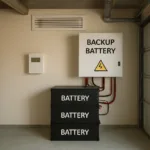
Hot water management also matters in homes thinking about backup power. A geyser usually draws far more power than many essential devices, so it is rarely a casual load for a small backup system. Understanding the geyser’s place in the household energy picture can help homeowners plan more realistically for outages and daily electricity management.
For readers comparing home backup options, the broader context is useful. The article on home backup power in South Africa explains the basics, while UPS vs inverter vs portable power station helps match a solution to actual household needs. If the goal is to understand load limits, calculating backup power needs provides a practical starting point.
Keeping the geyser part of a lower-cost household routine
The most reliable way to reduce geyser electricity consumption is to combine sensible daily habits with proper maintenance and professional support when needed. Shorter showers, less wasted hot water and better insulation all help the household use energy more carefully without sacrificing comfort.
In many South African homes, the geyser is not just a convenience; it is a major part of the monthly electricity picture. Treating it as part of the home’s wider energy plan can make a real difference to costs, especially when other appliances and backup power choices are also being managed carefully.

Kagiso Maseko is an author at Maventaro who writes about practical and affordable solutions for South African homes. His articles help readers make informed decisions about backup power, water storage, internet connectivity, home maintenance and everyday savings.