
Water supply disruptions can be a common reality in many South African households. While municipal services work hard to deliver fresh water, factors such as maintenance issues or droughts can lead to shortages. Understanding how much backup water a household needs can effectively prepare you for unexpected situations.
Understanding Your Daily Water Needs
To determine how much backup water you should keep, start by calculating your household’s daily water consumption. This depends on the number of residents, their lifestyle, and specific needs. On average, a person uses about 100 to 150 litres of water per day. This includes drinking, cooking, bathing, cleaning, and other daily activities.
Factors Affecting Water Requirements
Your water needs can vary based on several factors:
- Household Size: Larger families generally require more water than smaller ones. For example, a family of four might need around 400 to 600 litres daily.
- Lifestyle: Active households may require additional water for activities like gardening, washing cars, or filling up a pool.
- Health Needs: Special requirements, such as caring for a patient, infants, or elderly individuals, might increase your water needs.
- Age of Infrastructure: Older plumbing systems may inadvertently waste water, prompting increased backup reserves.
Estimating Backup Supplies
After understanding your daily consumption, consider how long you want to be self-sufficient during disruptions. A common recommendation is to store at least three days’ worth of water. For a four-person household using 500 litres per day, this translates to:
- 500 litres/day x 3 days = 1500 litres of backup water.
This amount ensures that essential needs are met during short-term disruptions. If your municipality frequently experiences longer outages, you may wish to extend this supply.
Storage Solutions for Backup Water
Once you determine how much backup water your household needs, consider how to store it effectively. Here are some practical solutions:

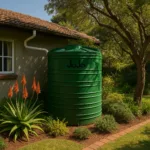
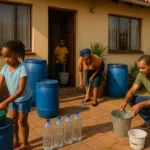
- Water Tanks: Storage tanks are great for larger volumes and can be installed above or below ground. Ensure they are made from food-grade materials to keep the water safe.
- Plastic Containers: High-density polyethylene (HDPE) containers are durable and resistant to chemicals. Ensure they are clean and properly sealed.
- Rainwater Harvesting Systems: These systems can supplement your water supply by collecting rainwater. Installing gutters and downspouts can direct water into storage tanks.
- Water Purification Systems: If you plan to use stored water for drinking, consider investing in purification systems to ensure its safety.
Limitations and Considerations
While backup water supply is crucial, consider a few limitations:
- Space Constraints: Depending on your home size and layout, you may have limited space for storage equipment.
- Maintenance Needs: Regularly check tanks and containers for cleanliness and water quality. Stagnant water can breed bacteria, so plan to rotate supplies and maintain freshness.
- Local Regulations: In some municipalities, there might be regulations regarding water storage systems. Always check your local guidelines to ensure compliance.
Common Mistakes to Avoid
As you set up your backup water supply, be mindful of the following pitfalls:
- Panic Buying: In crisis situations, many rush to buy large quantities of bottled water. However, planning ahead with a reliable storage solution is far more efficient.
- Ignoring Quality Control: Always ensure your stored water is free from contaminants. Unsuitable storage containers can lead to chemical leaching.
- Neglecting Backup Systems: Ensure you regularly check and maintain proper water purification systems and storage containers. Storing water is only part of the solution; ensuring it stays clean and usable is essential.
Frequently Asked Questions
1. How long can I store tap water for backup?
Tap water can typically be stored for six months if kept in clean, sealed containers. Always check for changes in taste, odour, or clarity.
2. What type of container is best for water storage?
Use food-grade plastic containers or stainless steel. Avoid glass due to breakage concerns and be cautious with metal containers, which may rust over time.
3. Should I treat my backup water supply?
For drinking water, it’s best to treat or purify stored water to eliminate pathogens. Regularly inspect your stored water for clarity and odour.
4. How can I use rainwater as a backup supply?
You can collect rainwater using a gutter system connected to storage tanks. Ensure your installation complies with local regulations and is filtered before use.

Kagiso Maseko is an author at Maventaro who writes about practical and affordable solutions for South African homes. His articles help readers make informed decisions about backup power, water storage, internet connectivity, home maintenance and everyday savings.