
Water outages can disrupt daily routines and create unexpected challenges, especially in a region like South Africa where water supply is sometimes inconsistent. Knowing how to save water during an outage is crucial for households to manage effectively and prevent unnecessary waste. Here are practical tips to help you conserve water during these times.
Understanding the Causes of Water Outages
Water outages can happen due to various reasons, including maintenance work, pipe bursts, or significant weather events. Having an understanding of these causes can help you prepare better for potential disruptions.
Assessing Your Water Usage
Start by evaluating your current water usage. Consider how much water you typically use in a day and identify areas where you can cut back. Key areas to assess include:
- Daily drinking and cooking needs
- Cleaning and washing tasks
- Bathroom usage
By recognising water-intensive activities, you can implement changes that allow you to save water during an outage.
Set Up a Backup Water System
Implementing a water backup system can help you be more resilient during outages:
Water Storage
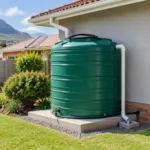
Keeping water stored in containers is an effective way to ensure you have access during an outage. Consider using:


- 5-litre bottles
- Large water drums
- Baths or basins filled with water
Always rotate your stored water to keep it fresh. A mindset of preparedness will contribute significantly to saving water.
Implement Efficient Use Strategies
During an outage, putting efficient use strategies into practice will help conserve your stored water:
Limit Flushing
Minimise toilet flushing. Instead of flushing for every use, consider using a bucket of water for partial flushing, which can significantly reduce your consumption.
Use Water Sparingly for Cleaning
Prioritise cleaning only essential items. For example, use a wet cloth for light dusting instead of running water. Additionally, consider using a spray bottle filled with water for cleaning surfaces.
Shorten Showers
If you must shower, keep it brief. A quick rinse can save litres of water compared to the traditional long shower.
Employ Water Recycling Techniques
Recycling water within the home can also contribute to conservation:
Collect Greywater
Greywater from sinks and baths can be collected and reused for flushing toilets or watering non-edible plants. Ensure that no harmful chemicals are in the water that could harm your plants or the environment.
Utilise Rainwater Harvesting
If your home allows, consider installing a rainwater harvesting system. This infrastructure can store water during rainy periods and reduce the pressure on your reserves during an outage.
Educate Your Household
Communication is key. Ensure everyone in the household understands the importance of saving water during an outage. Collaborate on setting daily limits and tracking use, fostering a sense of responsibility.
Work with Your Community
Engaging with neighbours can also be beneficial. Pooling resources with nearby households can help create a water conservation strategy that benefits everyone. Create a network of support that shares information and resources.
Seek Professional Advice
If water outages are frequent in your area, consult with professionals about sustainable practices or installing more resilient water systems. They can advise on the best course of action based on your home’s specific needs.
Replace Water-Heavy Appliances
Consider replacing traditional appliances with water-efficient options. Even during outages, an investment in low-water-use appliances can lead to long-term savings and reduced consumption.
Limit Outdoor Watering
During an outage, it’s vital to postpone unnecessary outdoor watering. If your garden requires maintenance, consider using greywater or simply focus on keeping high-value plants alive.
Plan Ahead for Future Outages
Preparation for future outages can enhance your household’s resilience. Create a water management plan by:
- Mapping out critical needs for water
- Establishing storage quotas
- Training household members on conservation techniques
Having a strategy in place will significantly improve your ability to respond effectively during outages.
Frequently Asked Questions
How much water should I store during an outage?
Generally, it’s advisable to store at least 5 litres of water per person per day for at least three days. However, assess your household’s specific needs.
Can I use collected greywater for my vegetables?
It’s best to avoid using greywater on edible plants unless it’s strictly water from a source like the shower or washing certain dishes, and no harmful detergents were used.
What are some signs of a potential water outage?
Signs can include irregular water pressure, discolouration of water, or notifications from your municipal water supplier regarding maintenance or service disruptions.
How often should I check my water storage systems?
Regularly inspect your water storage containers at least every six months to ensure cleanliness and that water remains suitable for consumption.

Kagiso Maseko is an author at Maventaro who writes about practical and affordable solutions for South African homes. His articles help readers make informed decisions about backup power, water storage, internet connectivity, home maintenance and everyday savings.