
Heavy rain and strong winds can cause considerable damage to homes, particularly in South Africa where storms are common. After such weather events, it’s crucial to conduct thorough checks around your property to ensure safety and prevent further issues. Below are several key areas to inspect that can help safeguard your home and maintain its resilience against future weather events.
Check for Water Damage
Start with looking for signs of water intrusion in both the interior and exterior of your home. This includes checking for:
- Leaks: Look for water stains on ceilings and walls, especially in lower-lying areas such as basements or garages. Pay particular attention to areas near windows, doors, and plumbing fixtures.
- Mould Growth: Inspect for any signs of mould or mildew in damp areas like bathrooms and kitchens, as these can be health hazards.
- Flooring Issues: Check for warped or buckled flooring, which could indicate water damage.
Inspect Your Roof
Your roof is often the first line of defence against rain and wind. Ensure to:
- Look for Missing Tiles or Shingles: Strong winds may have lifted or completely dislodged roof tiles or shingles. Replace any that are missing or damaged to prevent leaks.
- Check Flashings: Flashings around chimneys, vents, and skylights should be intact. Any gaps could lead to water seepage.
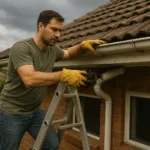
- Drainage Systems: Ensure gutters and downspouts are clear of debris to allow proper water drainage. Clogged gutters can cause overflow, leading to further water damage.
Evaluate Your Yard and Garden
The exterior landscape can also be affected by severe weather. Look for:
- Fallen Branches or Trees: Inspect your garden for any downed trees or large branches that may pose a risk to your home or safety. Seek professional help for removal if needed.
- Soil Erosion: Check for areas where soil may have washed away, particularly around foundations and retaining walls. This can weaken your home’s stability.
- Water Accumulation: Ensure that there are no standing water pockets that can potentially contribute to mosquito breeding or further drainage issues.
Assess Windows and Doors
Your windows and doors need to be robust enough to withstand harsh weather. After a storm, take the time to check:
- Seals and Caulking: Look for any cracks or decay in caulking around windows and doors. Proper sealing helps prevent moisture penetration.
- Operational Functionality: Ensure that all windows and doors open and close correctly. Warped frames can hinder functionality and compromise security.
Foundation and Structural Checks
As water can severely impact a home’s structural integrity, it’s important to inspect:


- Visible Cracks: Look for cracks in your home’s foundation or walls. Hairline cracks can be common, but larger cracks may be a sign of serious structural issues.
- Signs of Settling: Check if doors and windows are out of alignment, which may indicate settling due to soil erosion or water issues.
Check Utilities and Outdoor Features
Your outdoor features and utilities may also require a thorough inspection. Focus on:
- Electrical Systems: If there was flooding around the electrical panel or outlets, it’s crucial to have a qualified electrician inspect for potential hazards.
- Fences and Walls: Check for any damage to fences and retaining walls. Wind may have caused weak structures to collapse.
Monitoring Future Weather Conditions
After heavy rain and strong winds, keep an eye on local weather conditions. Sign up for alerts on severe weather to ensure you remain informed and prepared for future events. Knowing the signs can help protect your home before the next storm hits.
Practical Next Steps
These checks after heavy rain can help maintain your home’s safety and prevent future issues. Regular maintenance, combined with diligent post-storm inspections, can greatly enhance your home’s resilience against South Africa’s unpredictable weather. If you are uncertain or find significant damage, it’s wise to engage with local professionals for repairs or assessments.
Frequently Asked Questions
What should I do if I find mould after heavy rain?
If you discover mould, clean it up promptly using appropriate cleaning solutions, or consider hiring a professional mould remediation service to ensure complete removal.
How can I prevent water damage in my home?
Regular maintenance of roofs, gutters, and drainage systems, as well as proper sealing of windows and doors, can effectively reduce the risk of water damage.
When should I consult a professional after a storm?
If you notice significant structural damage, water intrusion, or electrical issues, it’s essential to consult a qualified professional immediately.

Kagiso Maseko is an author at Maventaro who writes about practical and affordable solutions for South African homes. His articles help readers make informed decisions about backup power, water storage, internet connectivity, home maintenance and everyday savings.