
As disruptions to water supply become increasingly common in South Africa, homeowners are seeking reliable backup solutions. Two of the most prevalent systems are gravity-fed and pumped water backups. Each has its unique advantages and disadvantages, making it essential to determine which option is best suited for your household needs.
Understanding Gravity-Fed Water Backup
Gravity-fed systems rely on gravity to move water from a reservoir or tank to your taps. Typically, these systems involve elevated tanks that harness gravity’s pull to supply water. Because they require no mechanical pumps, they can be energy-efficient and have lower operational costs.
How It Works
Water is stored in a tank located at a height, either on the roof or on elevated ground. The force of gravity causes the water to flow downwards through pipes when users open a tap. This system is straightforward and often requires minimal maintenance.
Who It Suits
Gravity-fed systems are ideal for households in higher elevations relative to their water source, such as those on hills or mountains. Additionally, they suit homeowners looking to minimise energy costs, especially in areas with frequent power cuts.
Limitations
While gravity-fed systems have their strengths, they also present several limitations:
- Geography Dependent: Effectiveness is largely determined by the elevation difference between the water source and the household.
- Flow Rate: The flow rate can be lower compared to pumped systems, which may not suffice in larger households with high water demands.
- Tank Size: Depending on your water usage, a larger tank may be required to ensure adequate backup.
Exploring Pumped Water Backup
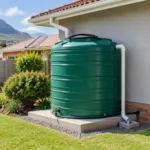
Pumped water backup systems utilise electric or manual pumps to move water from a tank to your household. This approach offers flexibility and can deliver water to any location, regardless of elevation.


How It Works
Water is stored in a tank, and when demand arises, a pump pushes the water through a system of pipes. This setup provides a more robust water flow, particularly beneficial for larger households or those with multiple water fixtures in use simultaneously.
Who It Suits
Pumped systems are suitable for homes in flat areas, where gravity alone cannot assist in moving water effectively. They are also a good choice for households with high water consumption, as they can supply greater volumes at higher pressures.
Limitations
Despite their advantages, pumped water systems have drawbacks:
- Energy Costs: Regular reliance on electricity can lead to higher operational costs, especially during load shedding.
- Maintenance Needs: Pumps require regular maintenance to function correctly, which may become a hassle over time.
- Noise Levels: The operation of pumps can generate noise that may be bothersome in quiet households.
Comparing Costs and Installation
When weighing gravity-fed vs pumped water backup, cost and installation are crucial factors. Gravity-fed systems often have lower initial installation costs since they do not require pumps. However, the need for a high elevation tank can increase costs if construction is necessary.
Pumped systems usually involve purchasing a pump, which can vary significantly in price based on size and capacity. Installation can also be more complex, as it requires additional plumbing and possibly electrical work.
Making the Right Choice for Your Home
The decision between gravity-fed and pumped water backup systems ultimately hinges on your household’s specific circumstances.
Considerations to Weigh
Here are some pertinent factors to evaluate:
- Household Size: Larger families may benefit from the high flow rate of a pumped system.
- Water Demand: Consider how much water your household requires daily.
- Location: Evaluate your geographical positioning. Elevation will be a key deciding factor between the two systems.
- Budget: Assess your available budget for installation and ongoing maintenance.
Common Mistakes to Avoid
When choosing between these systems, it’s easy to make missteps:
- Ignoring Local Conditions: Failure to assess local terrain and water availability can lead to selecting an unsuitable system.
- Overlooking Maintenance: Neglecting potential maintenance needs for pumped systems can result in breakdowns and costs.
- Not Consulting Professionals: It’s crucial to get expert advice tailored to your home situation, especially for installations.
Frequently Asked Questions
1. Which system is more energy-efficient?
Gravity-fed systems are generally more energy-efficient since they do not rely on electric pumps to operate.
2. Can I install a gravity-fed system in a flat area?
While possible, a gravity-fed system may not be effective in flat areas where there’s no significant elevation.
3. How often should I maintain my pumped system?
Pumped systems should be serviced at least annually to ensure optimal performance.
4. What happens during power outages with each system?
Gravity-fed systems continue to function normally without electricity, while pumped systems will halt operations until power is restored.
5. Is professional installation required for both systems?
While not always mandatory, professional installation is recommended for both systems to ensure efficiency and compliance with local regulations.

Kagiso Maseko is an author at Maventaro who writes about practical and affordable solutions for South African homes. His articles help readers make informed decisions about backup power, water storage, internet connectivity, home maintenance and everyday savings.