
In South Africa, where water shortages can be a serious concern, keeping stored household water fresh and clean is essential for maintaining a healthy home. Proper storage methods can help ensure that your emergency water supply remains safe and usable during dry spells and service interruptions. Here are practical tips and considerations for keeping stored water fresh.
Understanding Water Storage
Stored water can be crucial, especially during periods of load shedding or municipal supply issues. Knowing how to store this water properly affects its quality and safety.
Choosing the Right Storage Container
To start, select a suitable water storage container. Look for:
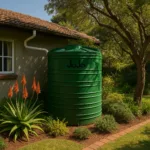
- Food-Grade Plastic: Containers should be made from safe, non-toxic materials rated for water storage. Food-grade plastic is ideal.
- Airtight Lids: Use containers with tightly fitting lids to prevent contamination from dust or insects.
- Transparent or Opaque Options: Opaque containers prevent light penetration, which inhibits algae growth.
Preparing Water for Storage
Before storing, ensure the water is clean. Tap water can be stored directly, but it’s important to filter it if you’re uncertain about its quality. If using borehole water, consider treating it with appropriate filtration systems or chemicals to remove harmful bacteria and impurities.
Proper Storage Techniques
Here are steps to store your water effectively:
- Clean Containers: Always wash the containers with soap and water, then rinse thoroughly to eliminate any residues.
- Fill Containers: Fill your containers, leaving about 2.5 cm of air space at the top. This helps accommodate temperature changes that can cause overflow.
- Label Each Container: Clearly mark each container with the date it was filled. Rotate stored water every six months to ensure freshness.
Maintaining Water Quality
To keep stored water fresh, consider the following maintenance tips:


- Use Purification Tablets: If storing water for extended periods, adding purification tablets can help kill bacteria.
- Store in a Cool, Dark Place: Keep water away from sunlight and heat sources, as they can encourage algae and bacteria growth.
- Inspect Regularly: Routinely check the stored water for any signs of cloudiness or foul odours, which might indicate contamination.
Utilising Stored Water
When retrieving stored water, use clean utensils or hoses to avoid any contamination. If the water looks questionable, it’s better to purify it again before use. Avoid using stored water for drinking if it has been present for too long without any treatment.
Common Mistakes to Avoid
Here are some pitfalls to watch out for:
- Neglecting Container Cleanliness: Always start with clean containers; dirty containers can compromise water quality.
- Storing Water for Too Long: Even with proper practices, water quality can degrade over time. Regularly rotating your stock is key.
- Ignoring Temperature Variations: Avoid locations that are too hot or significantly fluctuating in temperature, as this can negatively impact water.
Practical Next Steps
Keeping stored water fresh is a simple yet effective way to ensure your household has access to safe drinking water during emergencies or outages. By choosing the right containers, maintaining cleanliness, and observing proper storage techniques, you can safeguard your water supply effectively.
Frequently Asked Questions
How long can I store household water safely?
You can store tap water for six months to a year, but should check regularly for any changes in appearance or smell.
Can I use rainwater for storage?
Yes, rainwater can be stored, but it should be filtered and treated to ensure it is safe for use.
What should I do if my stored water smells bad?
If your water has an unpleasant odour, it’s best to discard it. Clean the container thoroughly and refill with fresh water.

Kagiso Maseko is an author at Maventaro who writes about practical and affordable solutions for South African homes. His articles help readers make informed decisions about backup power, water storage, internet connectivity, home maintenance and everyday savings.